
Healthcare data networks
Interstella supports networks that need shared data to be more usable, governed, inspectable, and reliable beyond basic movement or exchange.
Interstella helps organizations move from raw, fragmented inputs to trusted and usable downstream data. The fit is strongest where multiple sources, downstream reliance, and accountability all matter at the same time.
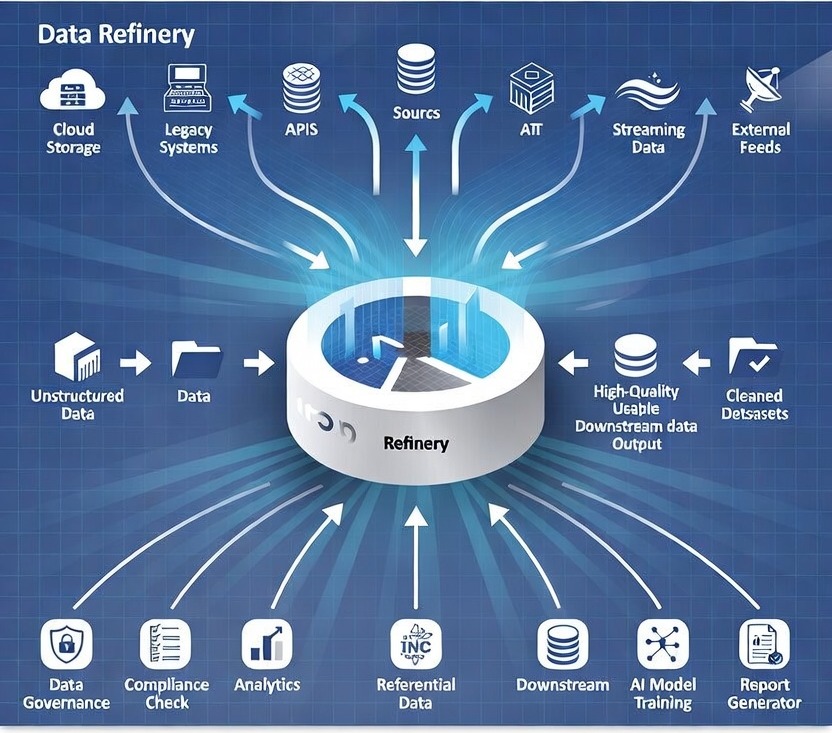
The strongest fit is where fragmented inputs, downstream reliance, governance expectations, and operational accountability all matter at once.
Interstella supports networks that need shared data to be more usable, governed, inspectable, and reliable beyond basic movement or exchange.
Interstella helps reporting-oriented organizations receive data that is easier to interpret, support, and defend in downstream workflows.
Interstella supports teams that need trusted, governed healthcare data inputs rather than raw, fragmented feeds that create model and workflow risk.
Through DRaaS, Interstella can deliver refinery capabilities as an operating service for organizations that need capacity and execution support.
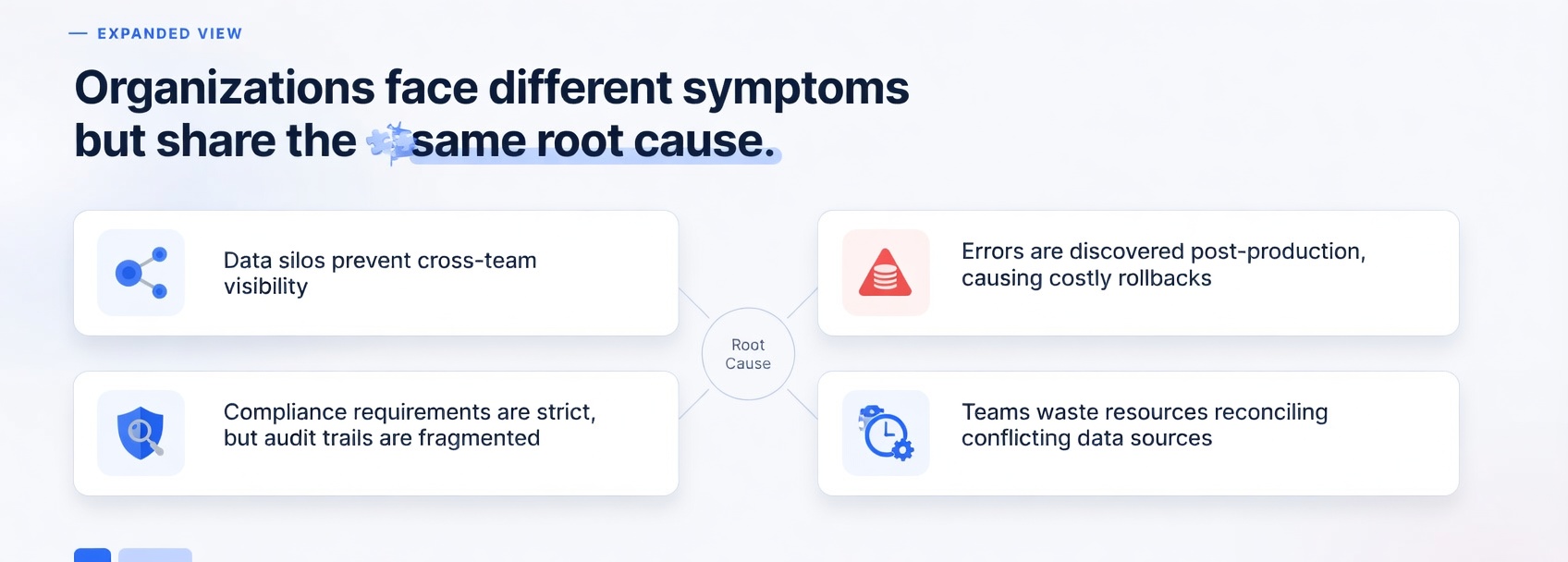
Interstella addresses that problem by combining quality and data governance earlier in the flow, so downstream systems receive data that is more usable, more inspectable, and easier to support operationally.
The model is intentionally simple: receive data from multiple organizations, apply refinement and governance, then publish outputs that are easier for downstream teams to use and defend.
Health Information Exchanges & RHIOs
Where Interstella fits: HIEs and regional data networks that need more than transport. Interstella helps support data that is more usable, more inspectable, and easier for participants to rely on downstream.
What changes
Health Plans, Medicaid, and ACO-Related Quality Programs
Where Interstella fits: Organizations that rely on multi-source healthcare data for quality, reporting, program operations, and related workflows where both usability and accountability matter.
What changes
Public-Sector and Regional Data Infrastructure
Where Interstella fits: Regional and public-serving data environments that need dependable handling, visible evidence, and clearer support for downstream reliance.
What changes
Analytics, AI, and Other Downstream Data-Dependent Organizations
Where Interstella fits: Teams that depend on healthcare data from multiple sources and need inputs that are more structured, more interpretable, and easier to support operationally.
What changes
AI Companies and Digital Health Innovators
Where Interstella fits: AI companies and digital health vendors that depend on clinical data from health systems, HIEs, or other multi-source environments. When source data is fragmented or ungoverned, AI outputs carry that risk forward. Interstella refines and governs data before it reaches your models — so you spend less time cleaning inputs and more time building on them.
LYNQSYS delivers trust metadata alongside every output: conformance status, completeness signals, provenance, and governance-aware confidence levels. Your team sees not just the data, but why it can be relied on.
What changes for AI companies
Multi-Organization Care Coordination and Population-Oriented Environments
Where Interstella fits: Organizations that need better readiness for longitudinal, cross-setting, or population-oriented use without relying entirely on downstream reconciliation.
What changes
DRaaS lets organizations use Interstella's data refinery capabilities without building and operating the full internal model themselves. It is designed for teams that need trusted data operations, but prefer a managed-service approach to ingestion, refinement, governance, and delivery.
For some organizations, DRaaS is the most practical way to get started. For others, it complements broader platform adoption. In both cases, it keeps the focus on trusted outputs rather than on assembling every operational layer internally.
Proof point
Interstella's refinery model is already operating in production environments, with native FHIR outputs and governance-aware handling supporting real downstream workflows.
Managed-service model for trusted outputs
Interstella refinery capabilities without a full internal operating build-out
Relevant when buyers need dependable downstream data without assembling all internals themselves
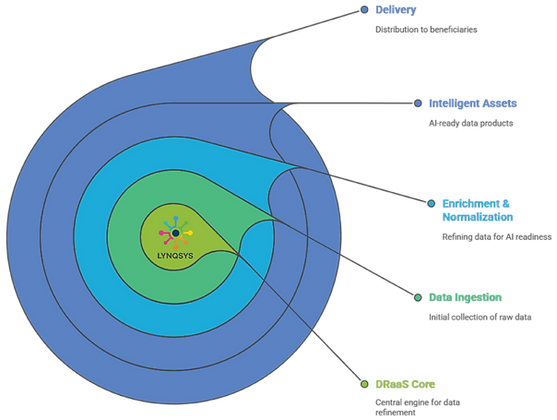
It is especially relevant when organizations need refinery capability, but do not want to build and run every part of the operational stack themselves.
Learn MoreInterstella works with the customer to understand source systems, downstream dependencies, and the operating priorities that matter most.
Data is received from the customer's existing environment through agreed interfaces and operating patterns.
Interstella applies quality-oriented refinement and governance-aware handling so outputs are more usable and more defensible downstream.
Structured outputs are published to the systems, teams, and workflows that depend on them.
The service continues as an operational model, helping customers support ongoing downstream use with less internal overhead.
Faster readiness for downstream exchange, reporting, and operational use
Less repeated cleanup after data has already landed downstream
Stronger support for reporting, program operations, and defensible use
Trusted outputs for analytics, automation, and AI-oriented workflows
Governed delivery across systems where accountability matters
We can walk through your environment, the data dependencies you manage, and whether platform adoption or DRaaS is the better path.
Start a Conversation